

The Sofa’s Timeless Tale: From Ancient Thrones to Modern Comfort
In ancient Egypt (2000 BCE), the sofa began as the "suffah," a cushioned bench for pharaohs, adorned with gold and ivory, symbolizing power and luxury. In Greece and Rome, the "kline" and "lectus" became stages for social rituals, where elites reclined during feasts and debates. These early sofas were more than seats—they were emblems of status, connecting people through shared moments in opulent settings.
By the 17th century, French artisans and British designer Thomas Chippendale transformed sofas into art, crafting padded chairs and the iconic tufted Chesterfield for royalty and gentry. The Industrial Revolution, with steel springs and mass production, made sofas accessible to all, evolving them into the heart of family living rooms. The Bauhaus movement later introduced minimalist designs, blending form with function for the modern era.
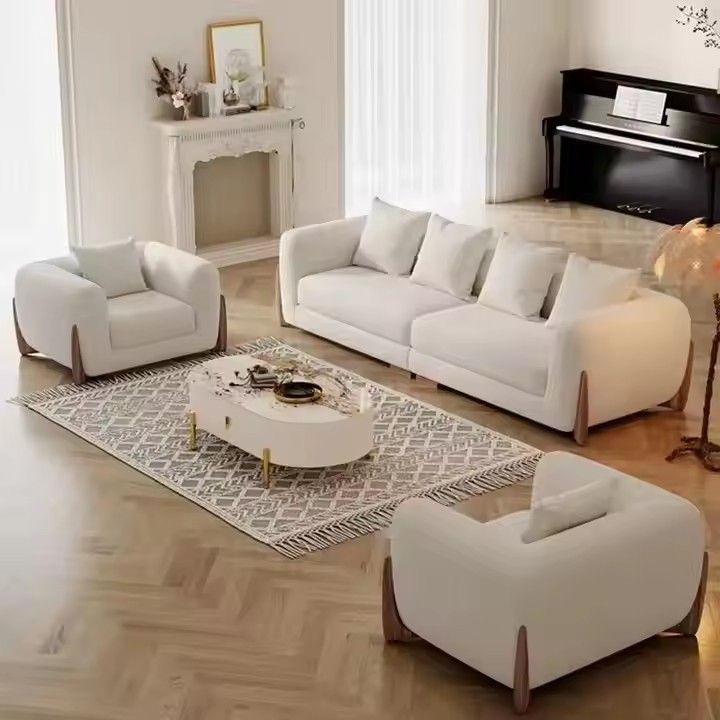
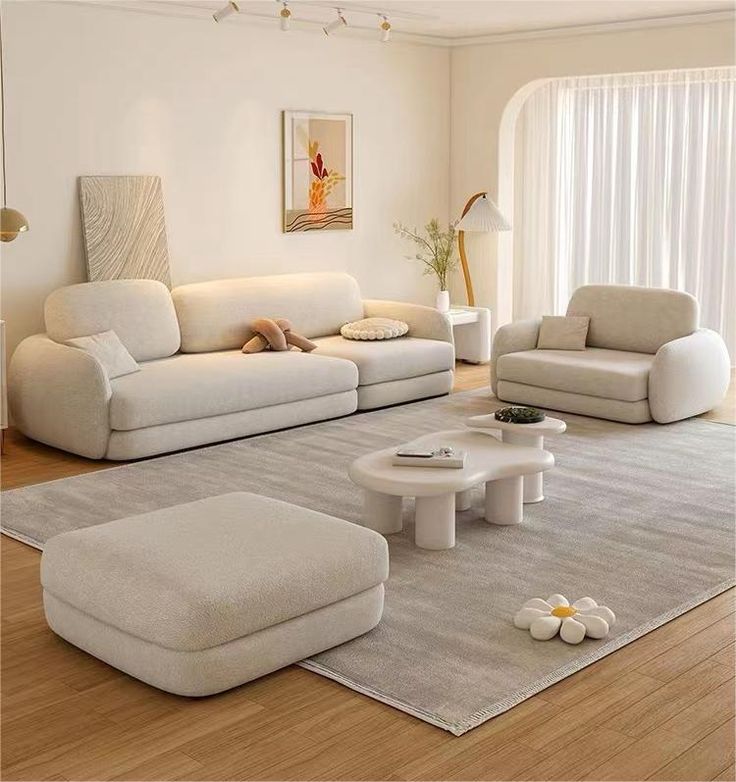
Today, sofas bridge classic elegance and innovation, from eco-friendly modular designs to neo-classical leather masterpieces. They remain the soul of living spaces, hosting stories, laughter, and dreams. This timeless journey—from pharaohs to modern homes—makes the sofa a symbol of connection, perfect for marketing its enduring appeal across eras.